The Garcías at a Glance
Here are capsule biographies of the extraordinary clan of musicians responsible for introducing Italian opera to the New World.
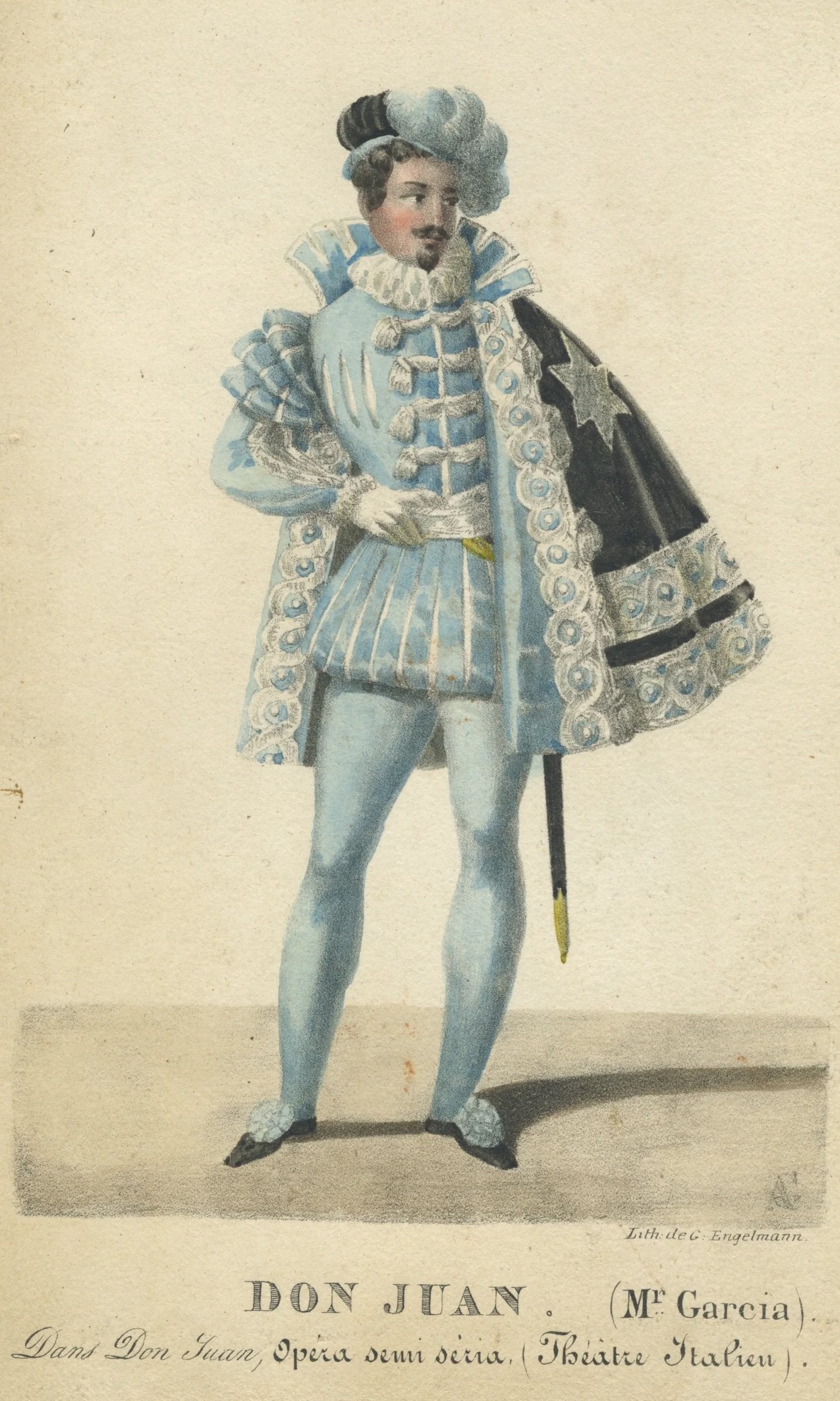
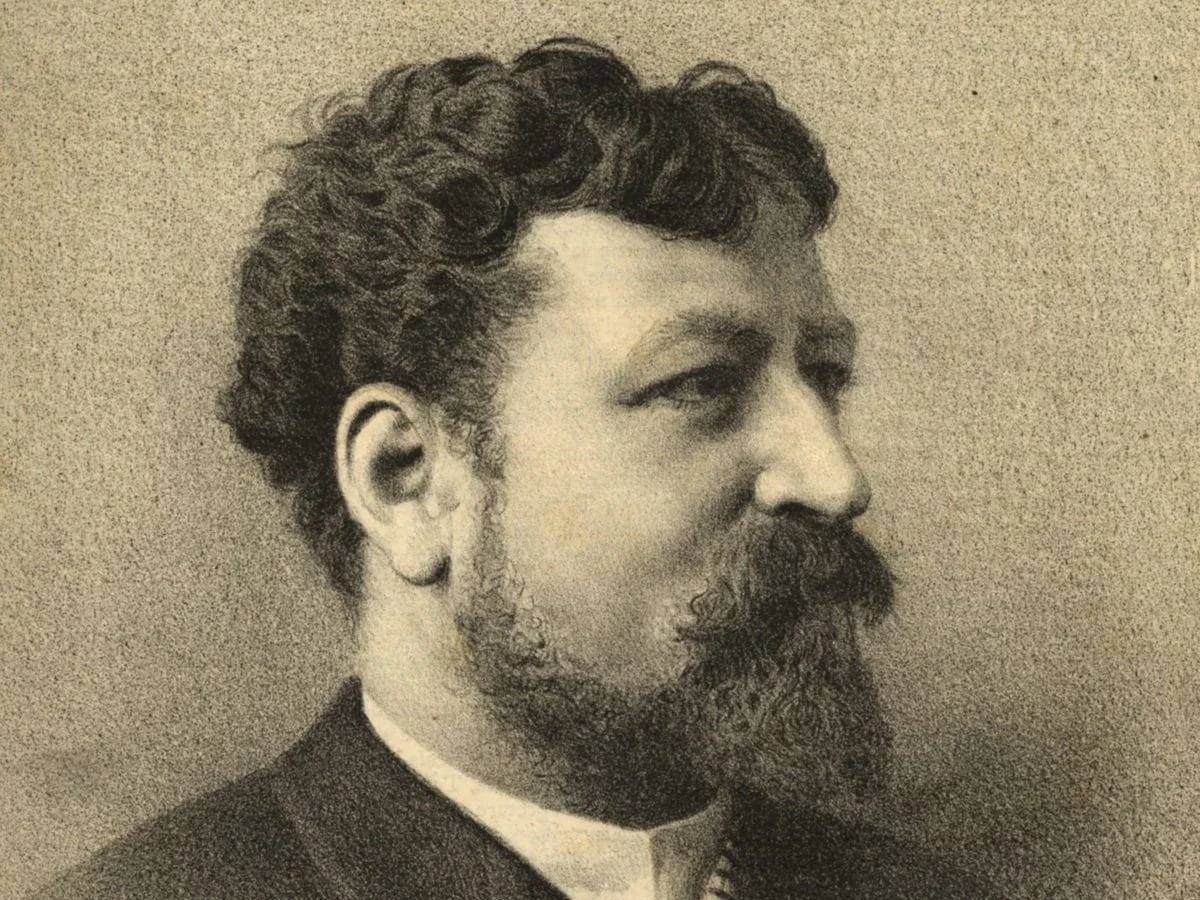
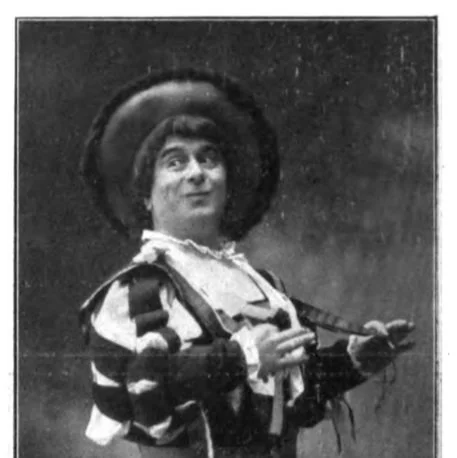
Manuel García as Don Giovanni, Engelmann lithograph
Manuel García Sr. (1776-1832) was one of the most extraordinary figures music ever knew: superstar singer and actor; guitarist and pianist; composer of songs, zarzuelas, masses, and operas. He was the first Almaviva in The Barber of Seville (original title: Almaviva). His range embraced tenor and baritone roles, and he made a sensation in London and Paris as Mozart’s Don Giovanni. He brought both to New York, along with five others and the musical and stage direction of everything and everyone. “Everything” included two works of his own composition. “Everyone” included his wife and their three children, all three destined for fame.
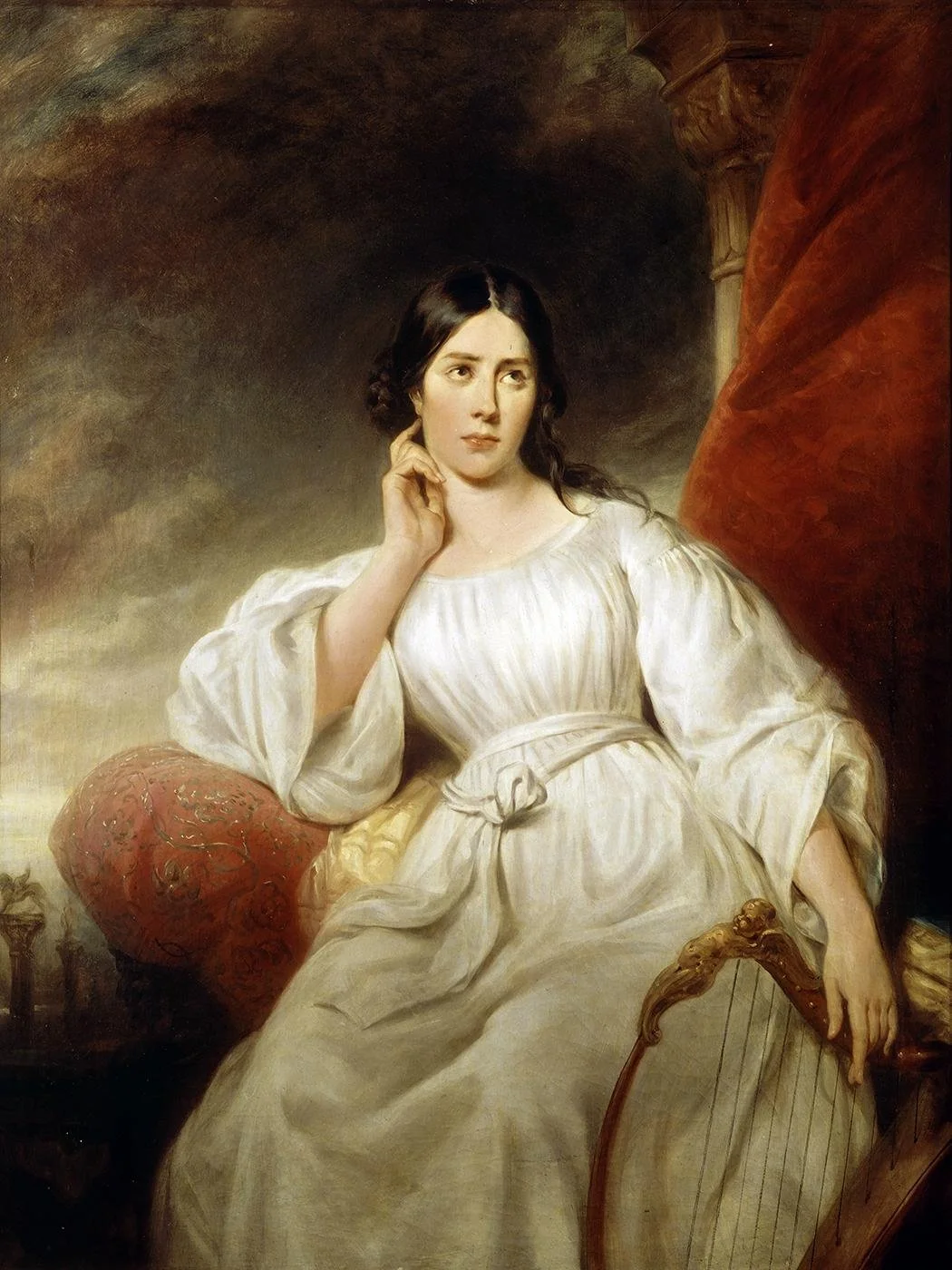
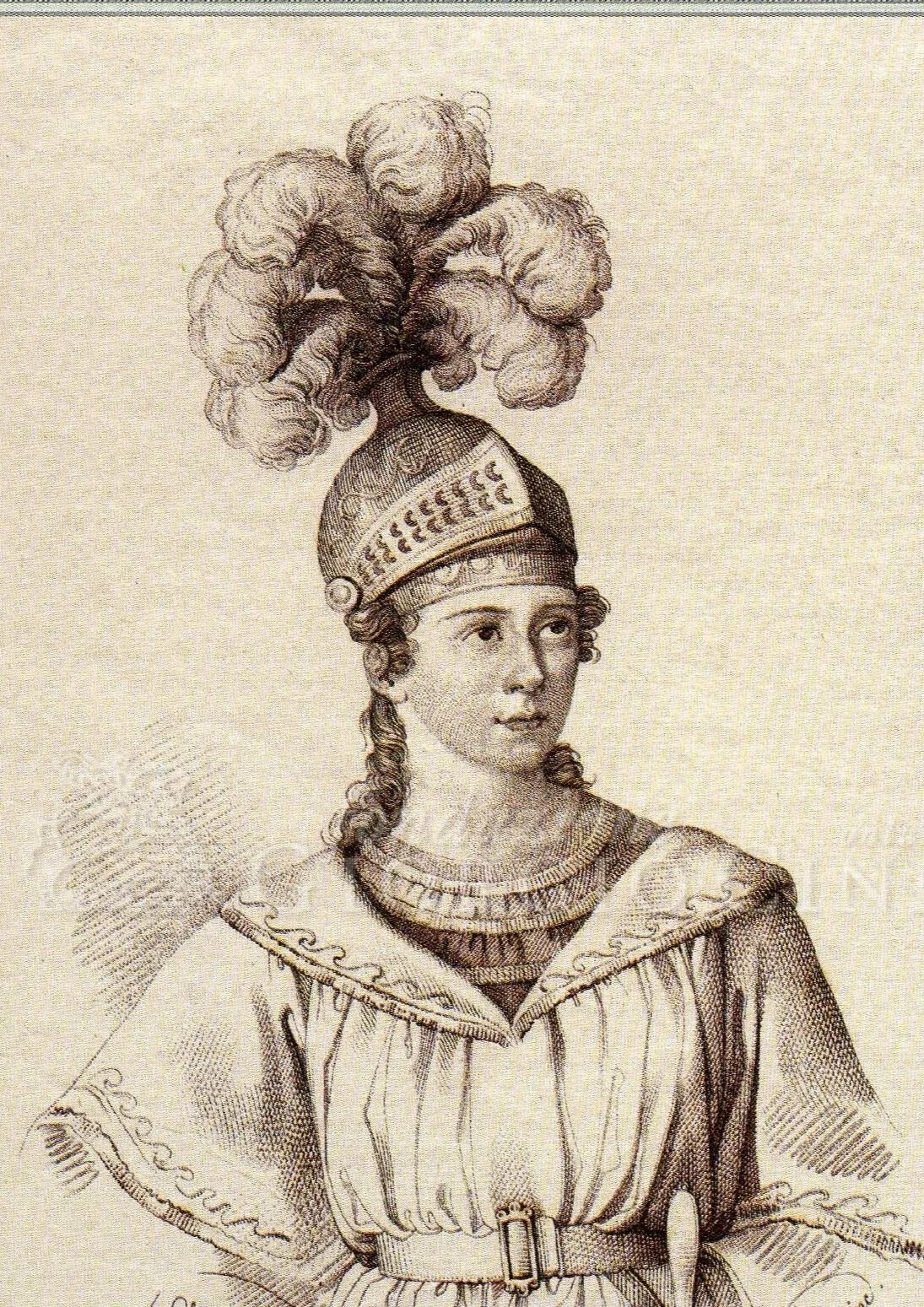
Maria Malibran, portrait by Henri Decaisne
Maria Malibran (née García, 1808-1836) turned out to be the tour’s headliner. Well, she was just seventeen, you know what I mean, and the way she sang was way beyond compare…there was a bit of Beatles-like frenzy in Gotham’s adoration of “the Signorina,” as she was called. She also created the season’s biggest crisis when she decided to marry Eugène Malibran and to withdraw from the stage. The marriage was brief and the withdrawal even briefer. She left her husband behind in New York, but carried his name back to Europe where she was the most celebrated prima donna of all until her premature death from a riding accident.

Manuel García Jr. at age 100, portrait by John Singer Sargent
Manuel García Jr. (1805-1906), in contrast, lived to 101. He sang Leporello and the Poet in Il Turco in America, along with five other roles, and when his father caught a cold he stepped into those parts as well, adapting them on the fly to his lower voice–that was the kind of musicianship the García regimen demanded. Back at home he decided the stage was not for him, and instead became a famous teacher (of Jenny Lind among others), the author of the best book yet written on the art of singing, and the inventor of the laryngoscope (see article by Dr. Anthony Jahn and Andrew Blitzer).
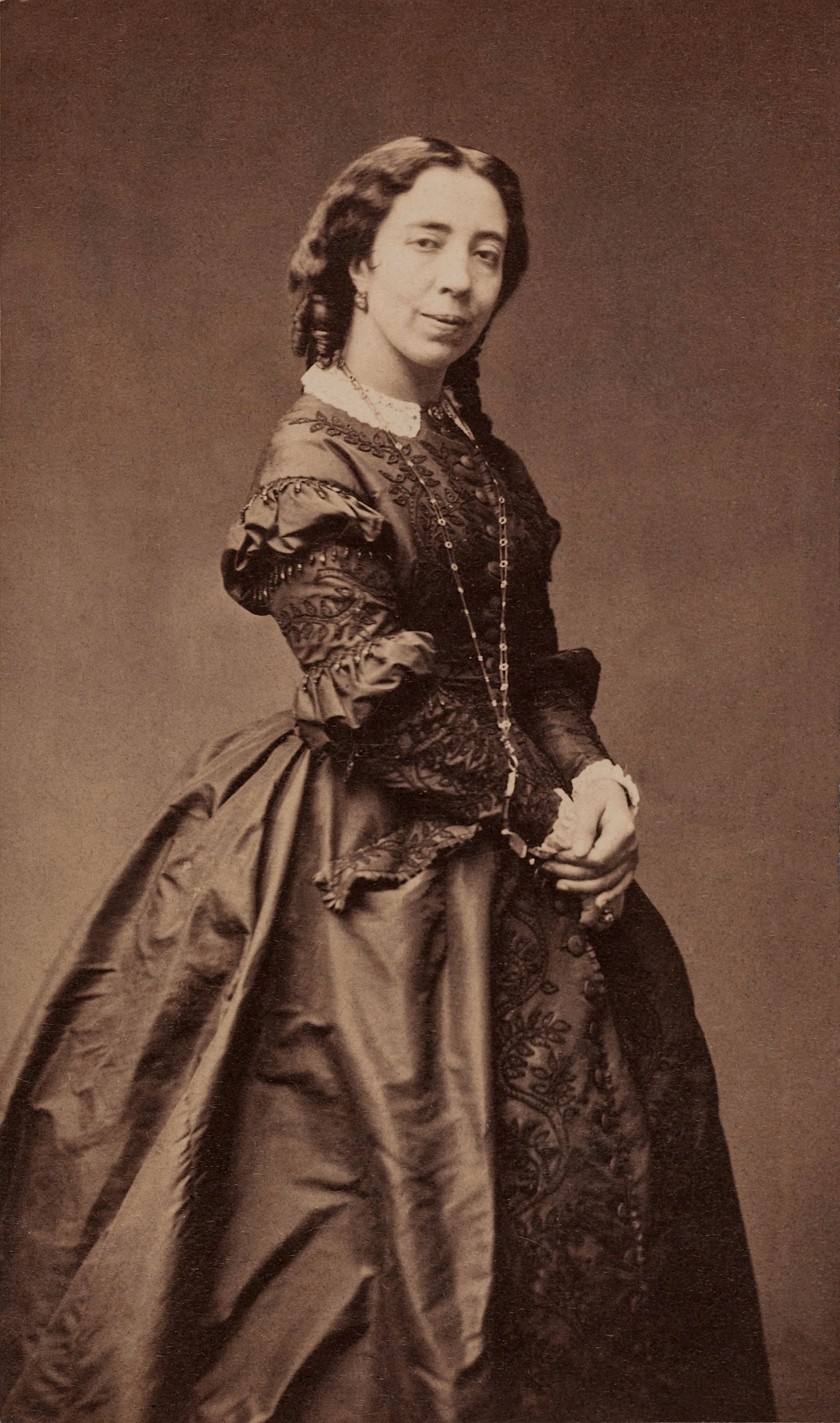
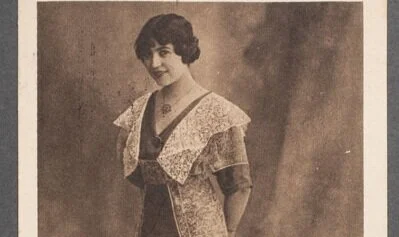
Pauline Viardot, photo by Pierre Petit
Pauline Viardot (née García, 1821-1910) was just four when the family embarked for the New World and seven when they returned (from Mexico). She was precocious, and her memoirs show how vividly she absorbed what she had seen and heard; by the time she reached 18 she was a famous prima donna in her own right. She went on to be a central figure in Romantic music. The list of composers who dedicated works to her includes Schumann, Meyerbeer, Berlioz, Brahms, Fauré, Rubinstein, Gounod, Saint-Saëns; there were collaborations with Chopin and Wagner too, and piano lessons from Liszt!
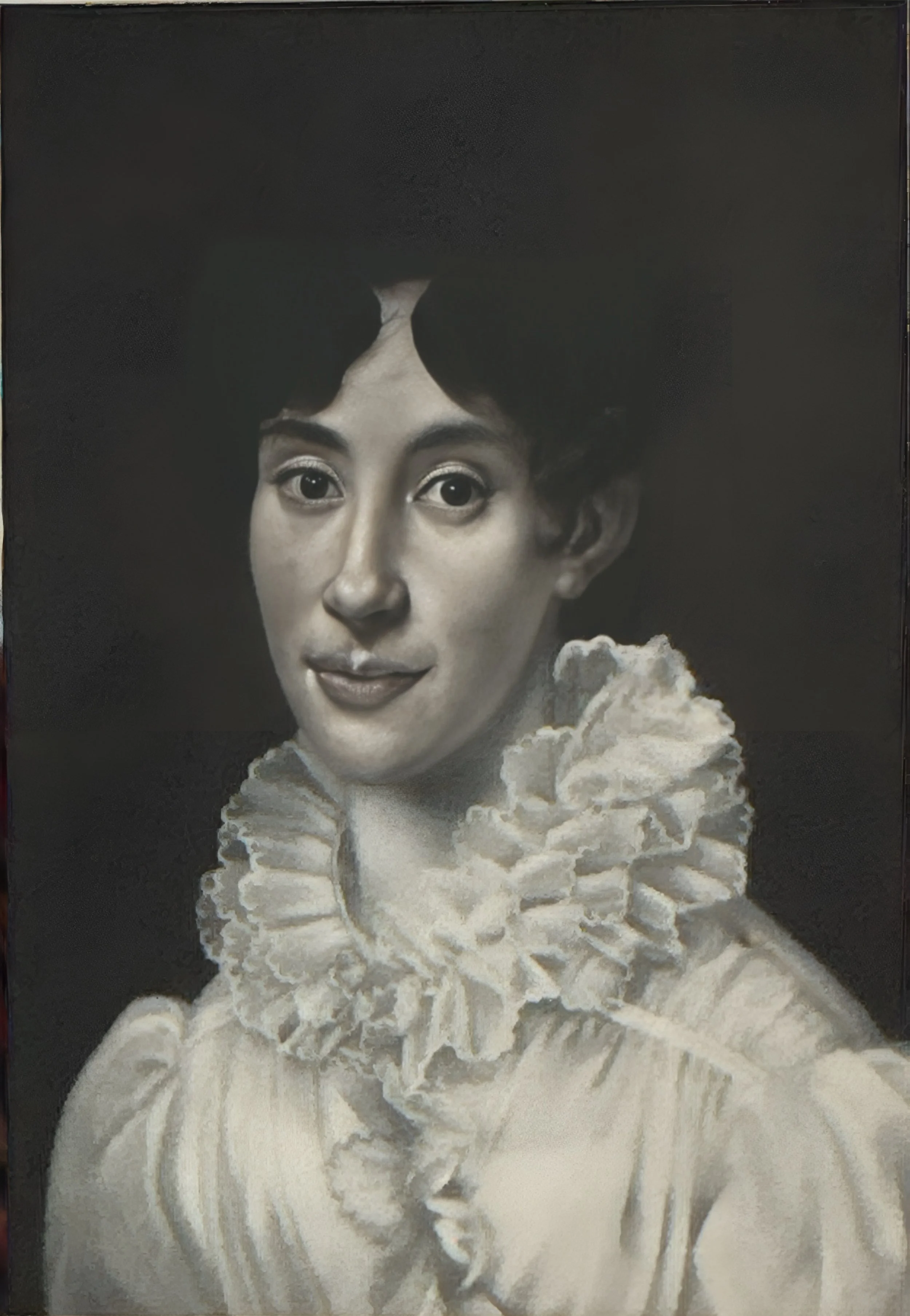
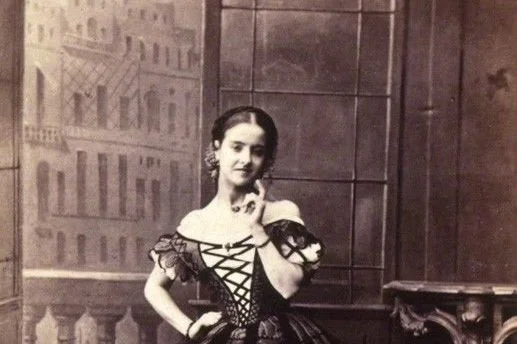
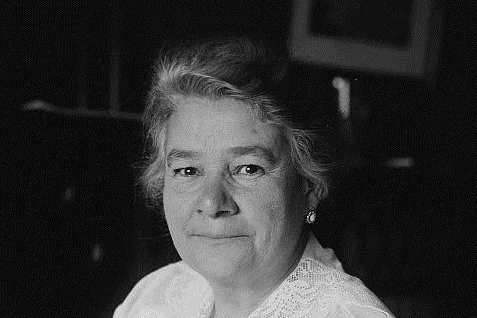
Joaquina García, unknown artist
And what about their mom? Joaquina Sitches (1780-1864) had been a star of zarzuela, opera, and spoken comedy back in Madrid. Her prime singing days were behind her by the time of the tour, and she played mostly bit parts–but she was still ready to step up as Mozart’s Donna Elvira, and to join her husband in educating their stellar trio of home-schooled offspring.
Don’t miss the bicentennial celebration of what they brought us all:
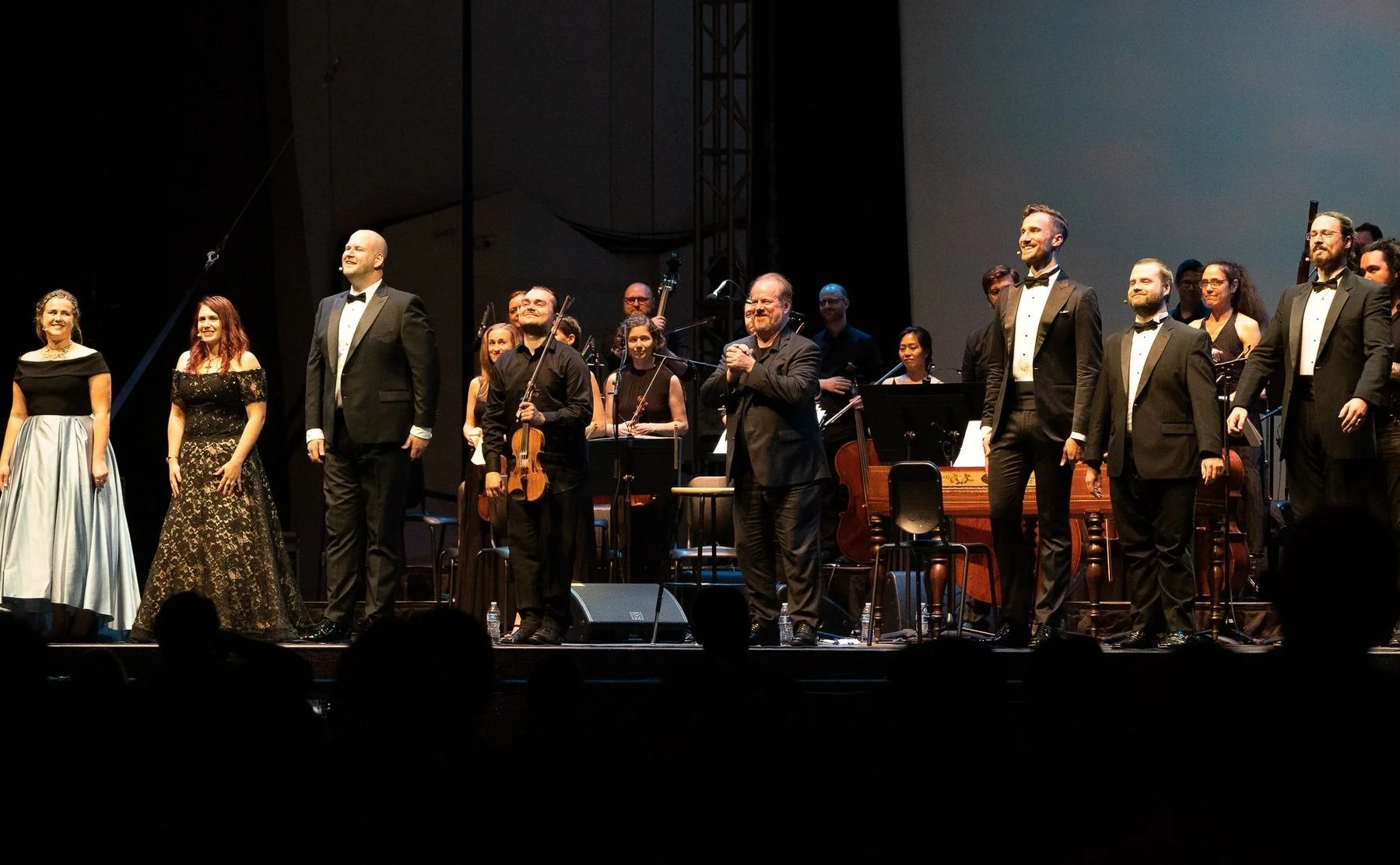
The Great Garcías I (before each performance of Il Don Giovanni) - A narrative of the American adventure and its protagonists, with music connected to each. Presented by Timothy Cheung and the Teatro Nuovo Resident Artists; followed by Will Crutchfield’s introduction to Il Don Giovanni.
The Great Garcías II (before each performance of Il Turco in Italia) - A mini-recital of music composed by Manuel García Sr., Maria Malibran, and Pauline Viardot. Presented by Timothy Cheung and the Teatro Nuovo Resident Artists; followed by Will Crutchfield’s introduction to Il Turco in Italia.
Pre-opera events start 90 minutes before the opera curtain time, and are free to all ticket holders with seating on a first-come first-served basis.