About the 2026 Season—
200 Years of Italian Opera in America
“New York would never be the same.”
It was meant to be, and yet it was still crazy: four Spanish and four Italian singers, with a fifth Italian to help out as an administrative and musical factotum, crossed the Atlantic to recruit an orchestra and chorus in the New World and bring Europe’s premier artistic product, Italian opera, to a city that had never seen it. Waiting to greet them were an Irish-American businessman who had put up the initial capital for the season and a 77-year-old expat Italian poet who had been at the center of operatic creativity half-a-century earlier. Between 29 November 1825 and 30 September 1826, the troupe gave 79 performances in a 2,000-seat theater near City Hall. New York would never be the same.
The U.S.A. was still an infant nation, and its leading cities were mere adolescents beside Paris, London, Vienna, and Naples. But many of the American elite knew those capitals and treasured their arts. Independence from Great Britain had come in 1776, and the concrete political power and growing affluence that flowed from it only accelerated their ambition to import Europe’s cultural riches. Music was one of those, with Italian opera at its apex. By 1800 there were dozens of Italian musicians in Boston, New York, Philadelphia, Baltimore, Charleston and still others–performing, training their local colleagues and the children of the gentry, selling instruments and sheet music in the New World’s growing market, and paving the way for the arrival of the real thing.
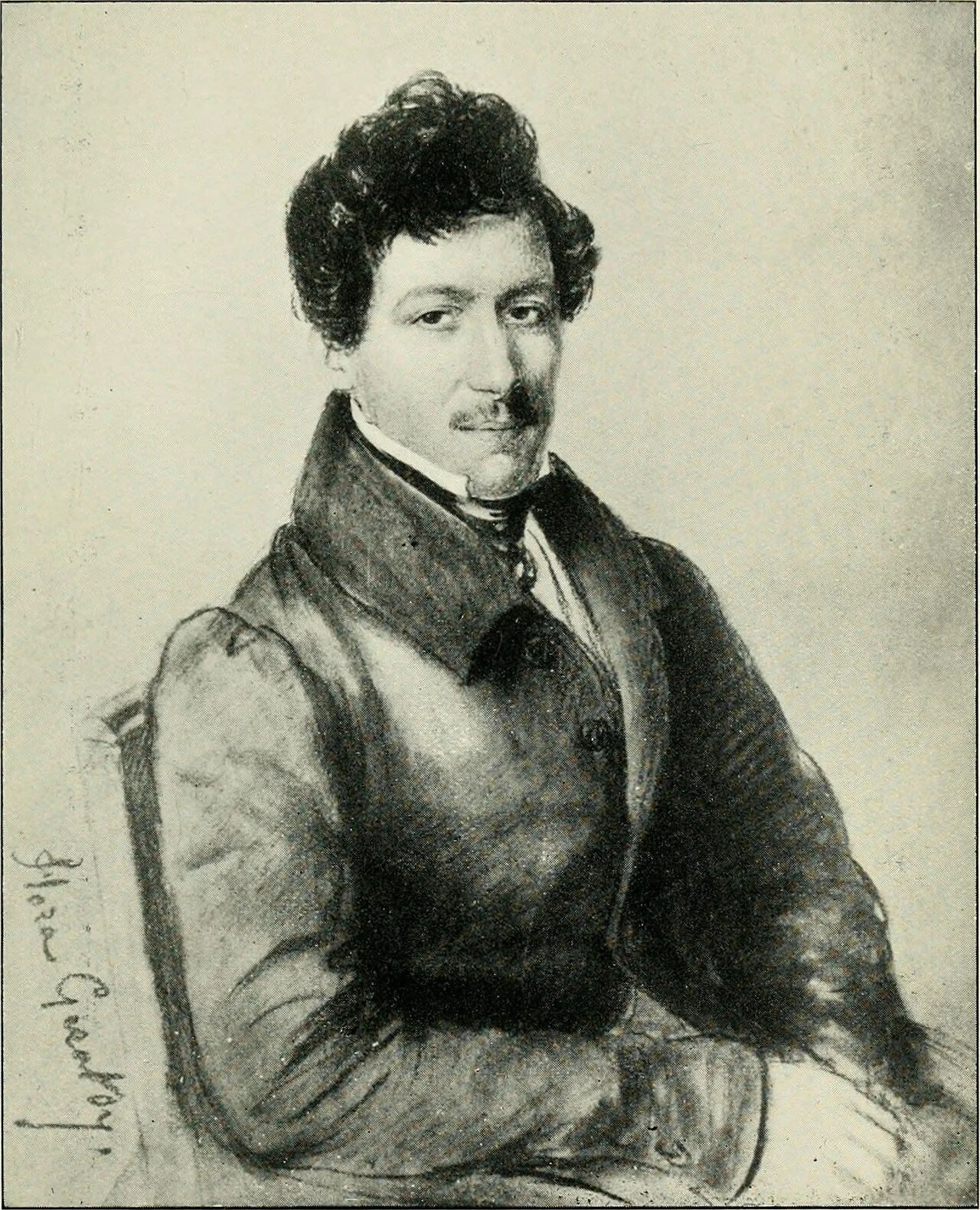
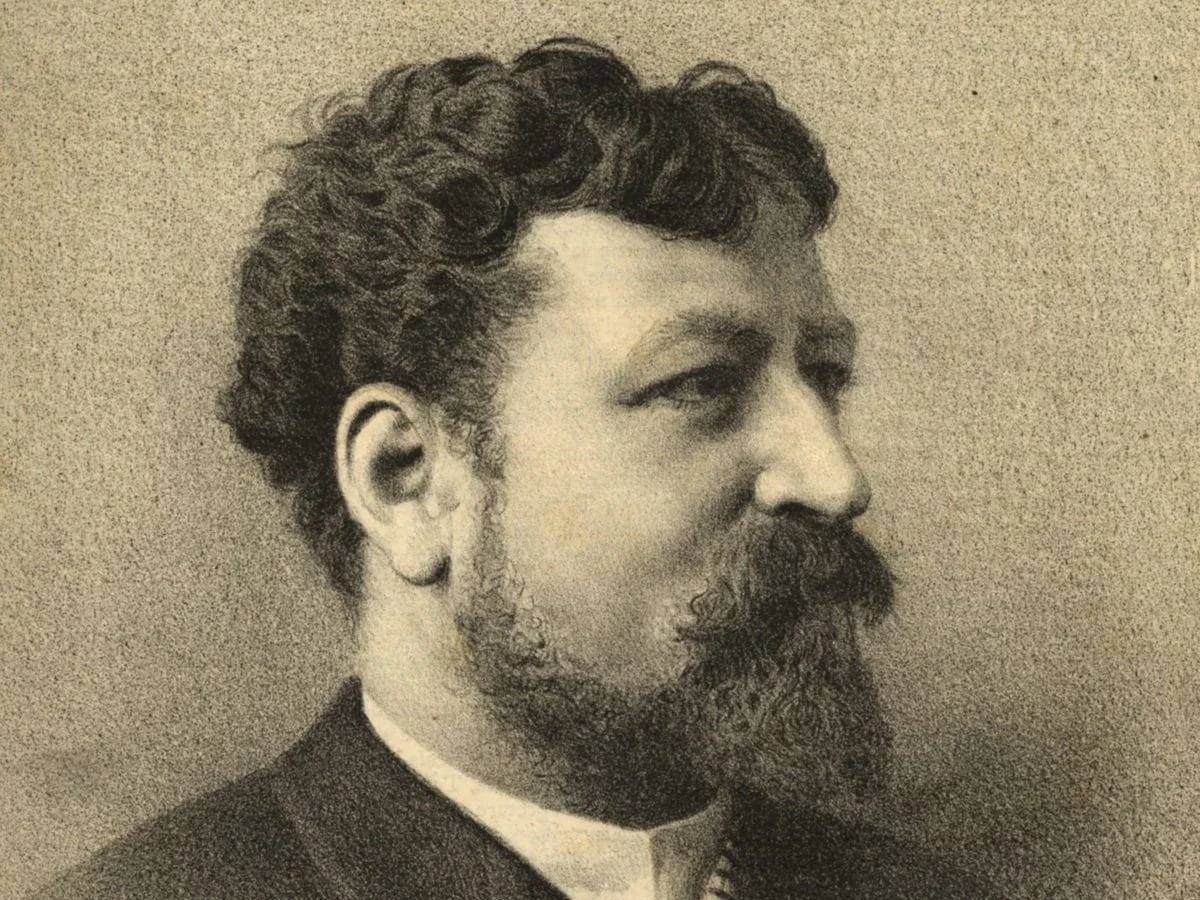
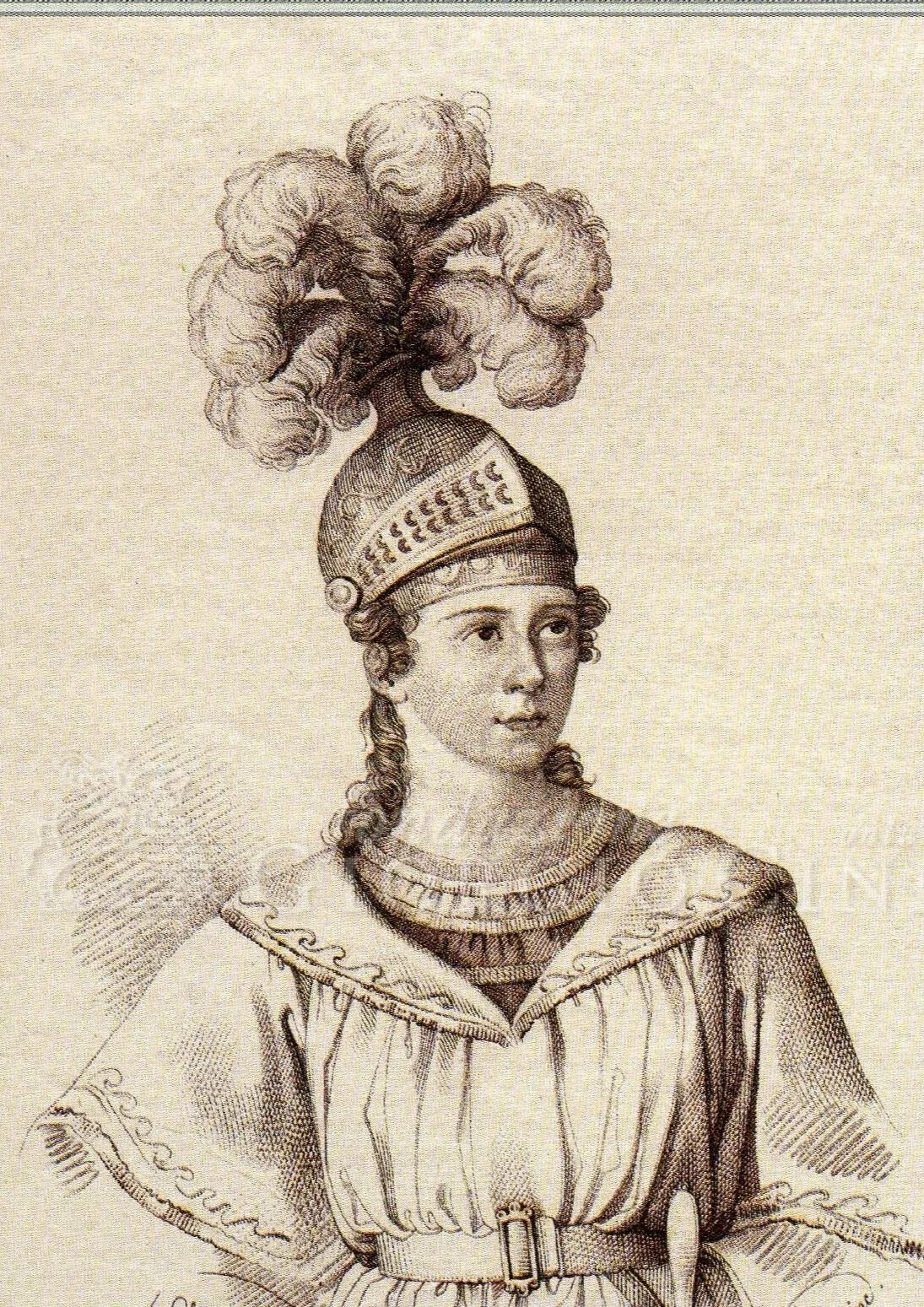
Manuel García Sr., pastel portrait
- artist unidentified. (Can anyone read the signature?)
When it came, although opera had been going on for more than two centuries in Italy, the repertory of its golden era was still in its own early stage of formation. Donizetti and Bellini had not yet made their mark; Verdi and Puccini still lay far in the future. The season at the Park Theatre consisted of five operas by Rossini, one each by Mozart and Zingarelli, and two by the troupe’s leading tenor, Manuel García.
“García was the center around whom everything else revolved. ”
García was the center around whom everything else revolved. Born in Seville just a year before American independence, he had worked his way from obscure origins to superstardom in Italy, London, and Paris. He was not just Rossini’s first Count Almaviva in Il Barbiere di Siviglia; the opera was originally named for his role (Almaviva, ossia l’Inutil Precauzione) and he was paid four times as much to sing it as Rossini was to compose it. His own compositions were numerous and appreciated, and two of them are familiar to operagoers everywhere: the serenade “Se il mio nome saper voi bramate,” adopted by Rossini for Il Barbiere, and “Cuerpo bueno, alma divina,” which Bizet probably thought was a folksong when he turned it into the prelude of Act Four in Carmen. None of his many stage works has exactly stood the test of time, but quite a few of his Spanish songs have been revived successfully and still more are worth rediscovery.
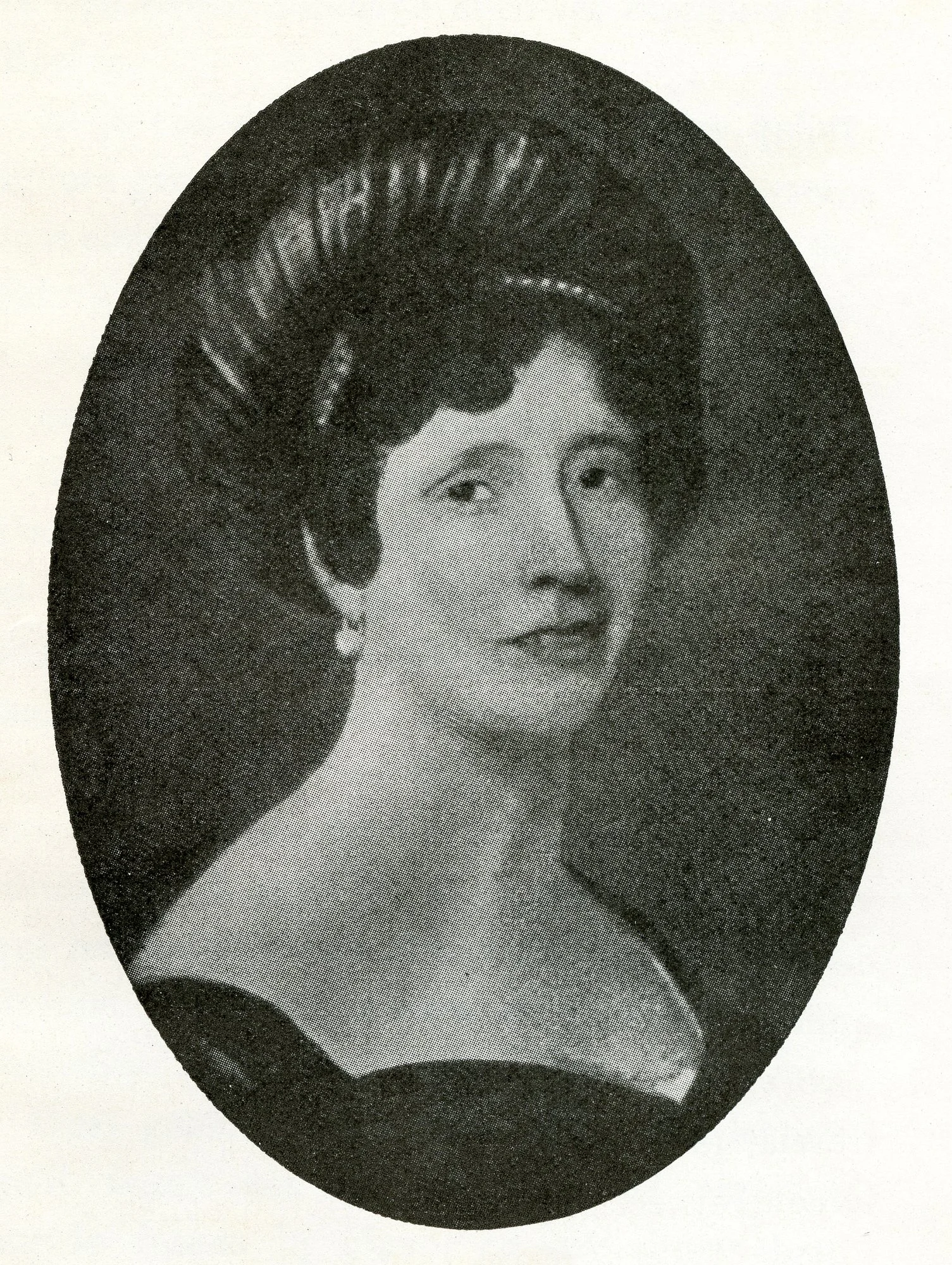
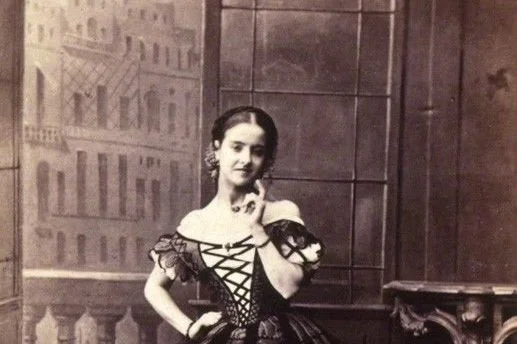
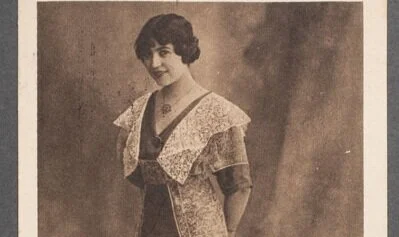
Joaquina Sitches
- Portrait by unknown artist, retained by García family
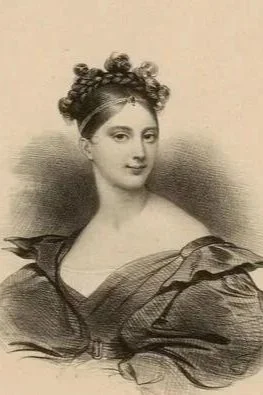
Maria Malibran
- Lithograph by Achille Deveria
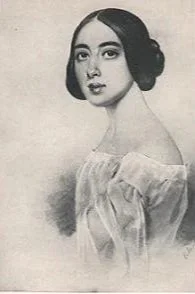
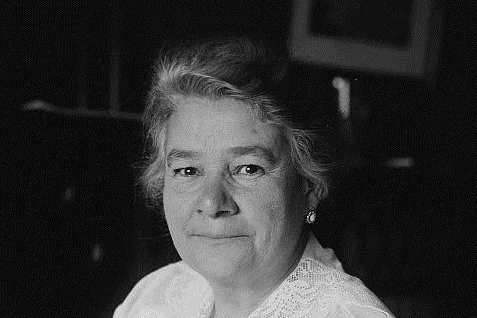
Pauline Viardot
- portrait by P.F. Sokolov
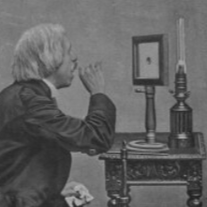
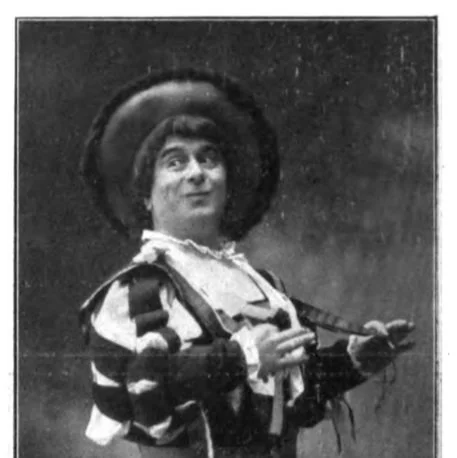
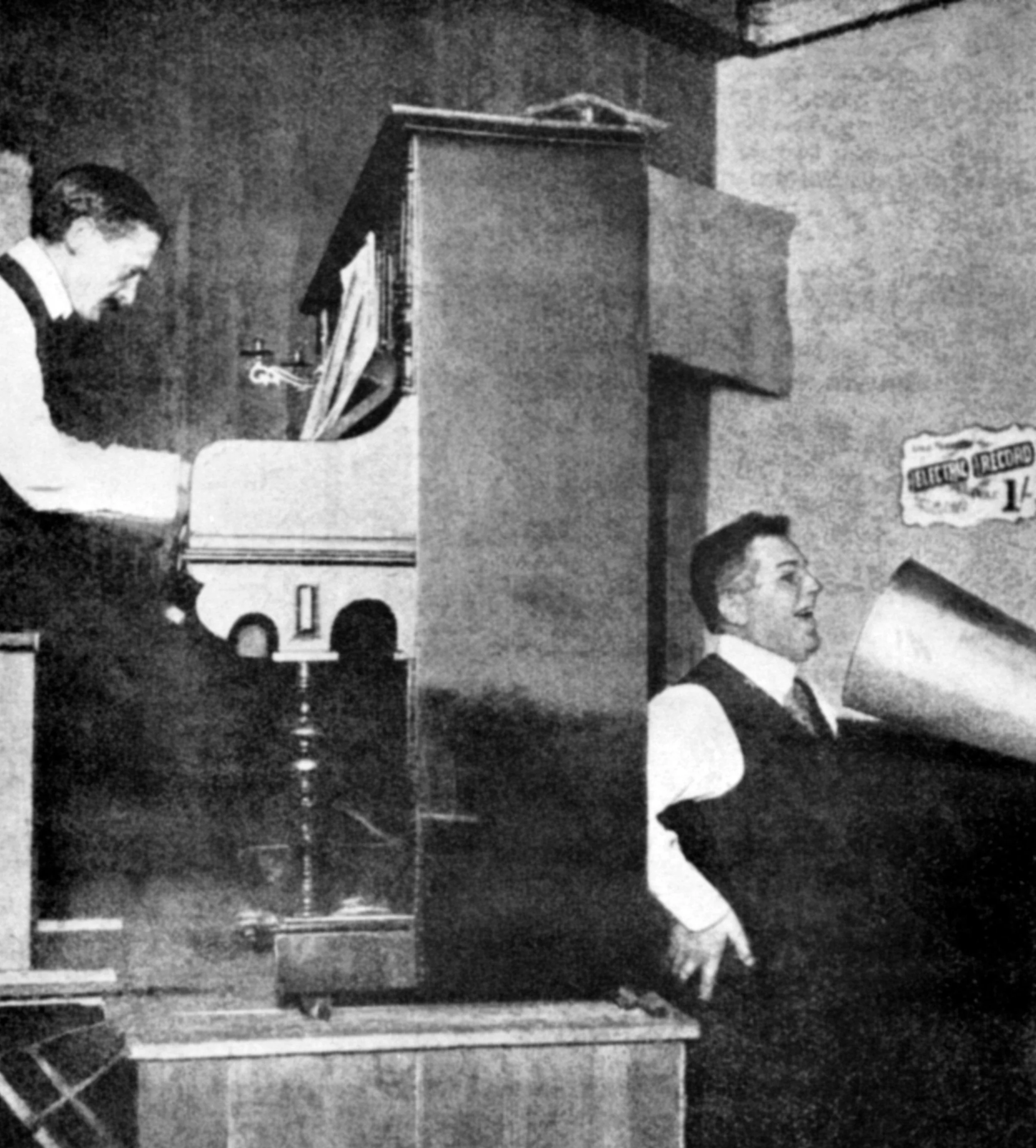
Manuel Garcia Jr. demonstrating his laryngoscope
- Unknown photographer, published in Musica no. 16, January 1904
“all three were destined for fame.”
He was also a spectacularly successful parent. He met his wife, Joaquina Sitches, in 1798 when he was a rising star and she a successful comedienne in her native Madrid; soon he had her singing grand opera (starting with the Countess in Le Nozze di Figaro). All three of their children were with them in America, and all three were destined for fame. Maria García was later to become the world’s most celebrated and highest-paid prima donna under the married name of Malibran that she acquired in New York. Her meteoric career was cut short by a tragic death at just 28, but not before conquering all the musical capitals of Europe; Donizetti wrote Maria Stuarda for her. At seventeen, Maria sang in all but one of the nine Park Theatre operas. Her older brother Manuel junior had roles in seven of them and, by occasionally jumping in to substitute for his father, eventually sang in all nine. He did not stay long on stage, but became one of the most important teachers in Bel Canto history, and was the first to deal both knowledgeably and seriously with the anatomy of the singing voice. He invented the laryngoscope, becoming the first ever to observe the human vocal cords in action, and taught stars including Jenny Lind and Charles Santley, continuing almost up to his death at 101.
“spellbinding memoirs of the adventure”
Their little sister Paulina was just four when the family embarked, but left spellbinding memoirs of the adventure as seen by a precocious child who would later, under her own married name, take up her sister’s mantle on stage. As Pauline Viardot she was at the center of Romantic musical life; there is probably no other singer in history to have works dedicated to her by such a list as Schumann, Meyerbeer, Rubinstein, Fauré, Saint-Säens, Brahms, and Gounod, and there were collaborations with Wagner, Berlioz, and Chopin as well. On top of that she was a prolific and gifted composer, and raised prominent performing and composing children in her own turn.
Teatro Nuovo’s celebration of the anniversary will feature two of the nine operas: Mozart’s Il Don Giovanni (as its librettist Lorenzo da Ponte and almost everyone else called it in those days), and Rossini’s Il Turco in Italia. Details of each title can be read on the pages linked above. Teatro Nuovo’s much-anticipated pre-opera events will complete the story: one program devoted to music composed by The Great Garcías, and another telling the story of their American sojourn in music, memoirs, letters, and press reports.
- Will Crutchfield