Teatro Nuovo announces
2026 Bel Canto Season
Celebrating Two Centuries of Italian Opera in America
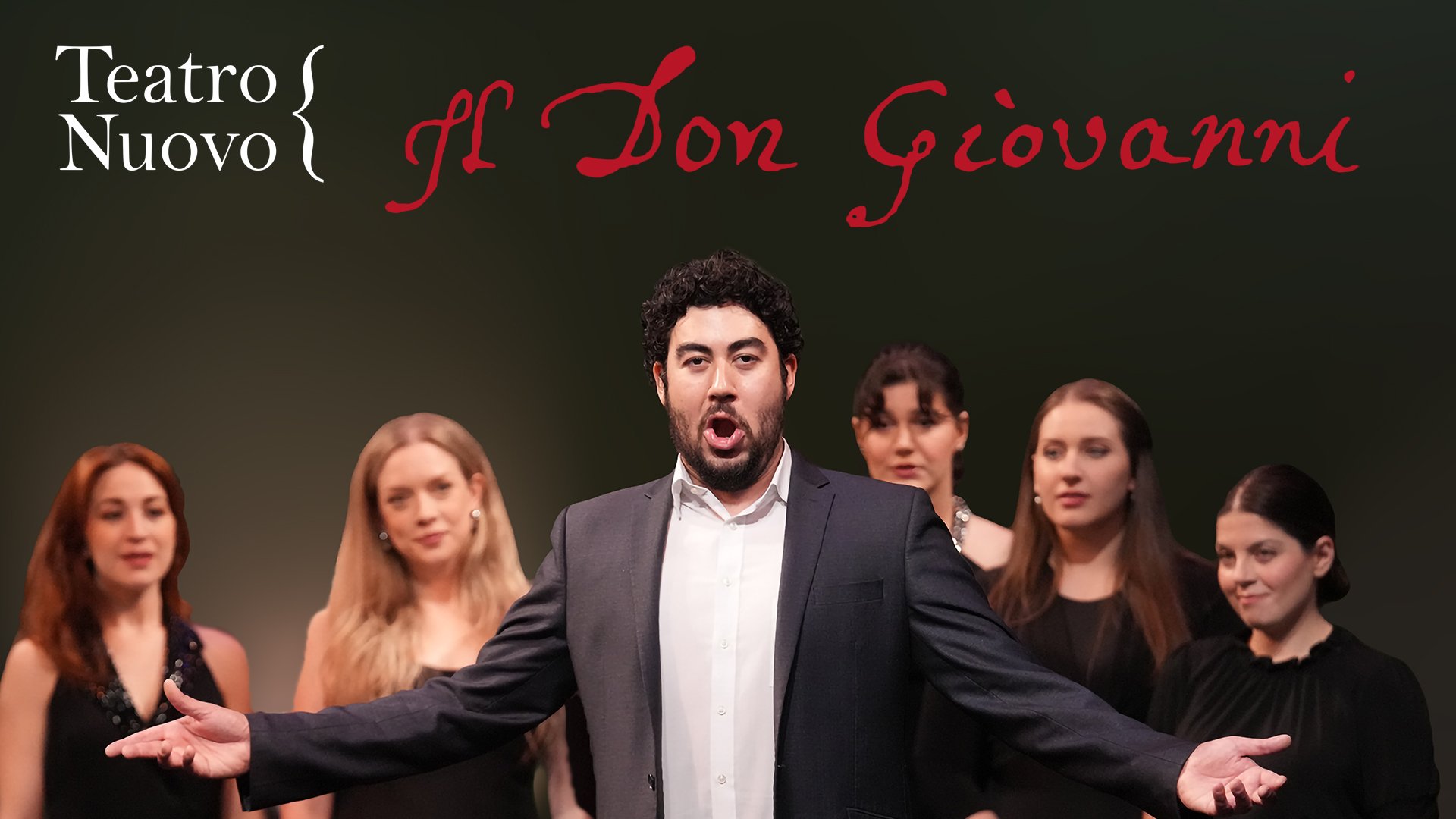
Il Don Giovanni - Mozart’s masterpiece as adapted by its librettist for New York
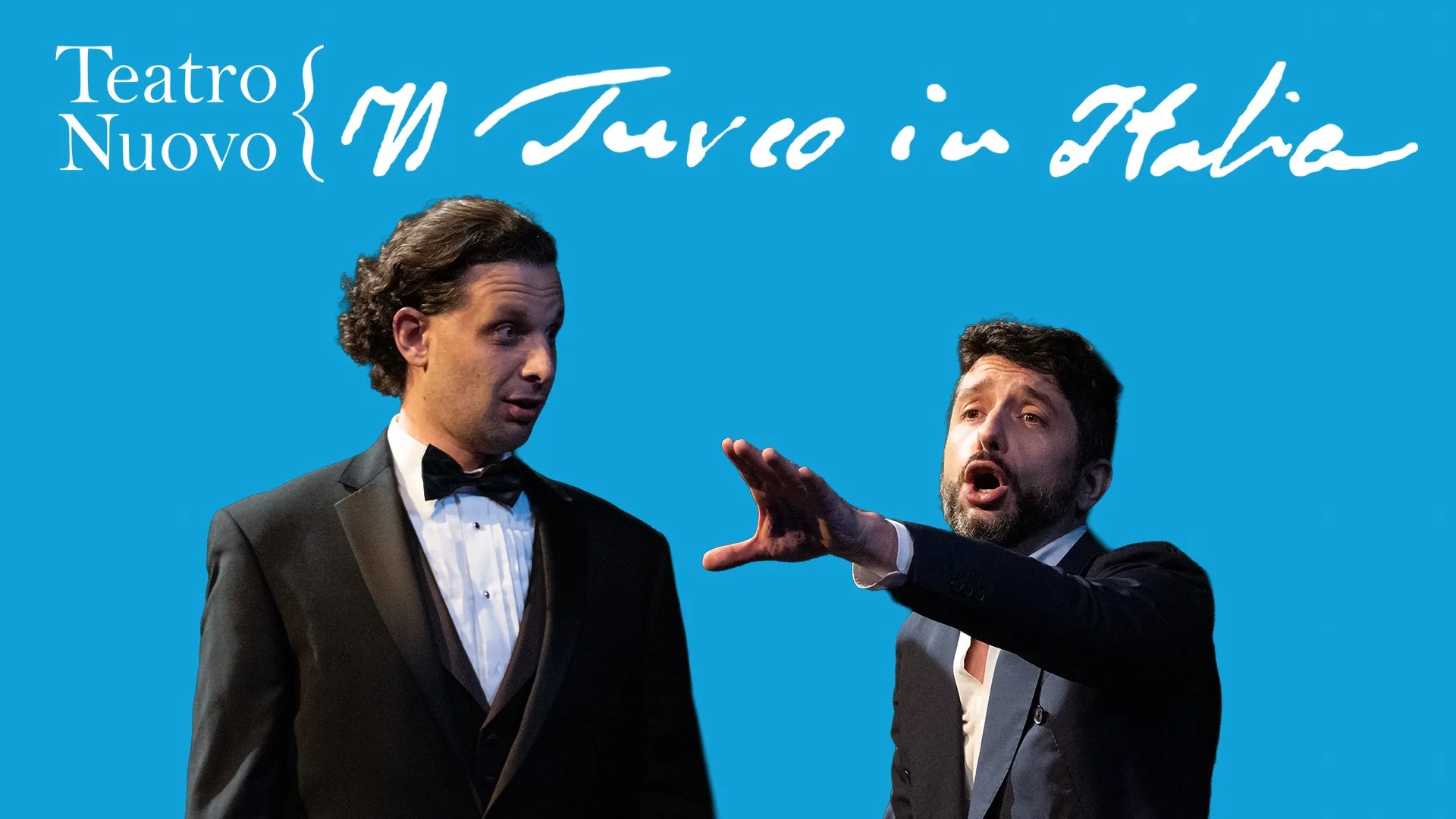
Il Turco in Italia - A madcap Rossini comedy
The Great Garcías - narrative concerts dramatizing New York’s first opera season
Return of baritone star Ricardo José Rivera
Performances July 11 and 12 at Alexander Kasser Theater (Montclair State University) and
July 15 and 16 at Rose Theater (Jazz at Lincoln Center)
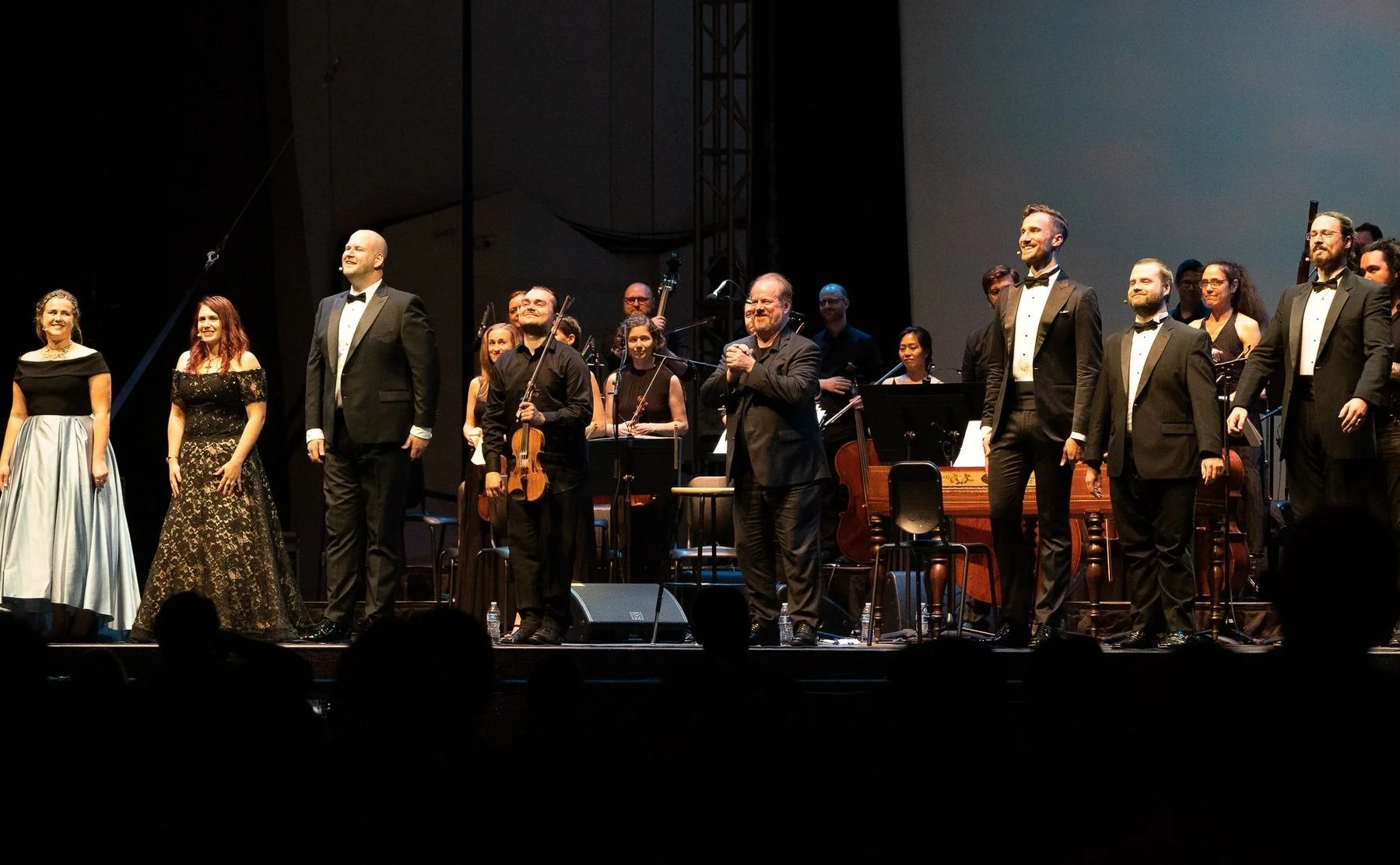
March 19, 2026 - New York City - Teatro Nuovo announced today its eighth season of Bel Canto revivals, a pair of works chosen from the repertory of America’s very first season of Italian opera. The innovative troupe and its period-instrument orchestra, hailed last year by Opera Today for providing “the most consistently satisfying live opera in New York,” will perform in mid-July at Montclair State University and Jazz at Lincoln Center.
200 Years of Opera in America
This year Teatro Nuovo celebrates a bicentennial: the arrival of Italian opera two centuries ago. It came with a traveling company led by Rossini’s star tenor Manuel García and his soon-to-be-famous children. For ten months, between 29 November 1825 and 30 September 1826, they performed a repertory of nine titles: five by Rossini, two by García himself, one each by Zingarelli and Mozart.
Teatro Nuovo will perform two of the nine: Rossini’s Il Turco in Italia and Mozart’s Il Don Giovanni, as it was called in the fresh edition of the libretto prepared by its author, Lorenzo da Ponte, for the García troupe. These will be accompanied by concerts and talks dedicated to the momentous arrival. New York fell in love with opera two hundred years ago, and would never again be without it.
Debuts and Returns
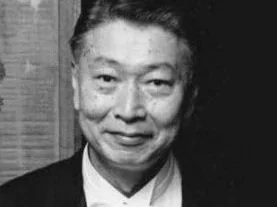
Headlining Il Don Giovanni will be Ricardo José Rivera in the title role, making his fourth appearance with the company that presented his New York debut (Severo in Poliuto, 2023). Rivera recently reached audiences worldwide by stepping into the lead baritone role for the Metropolitan Opera’s HD broadcast of I Puritani on just three hours’ notice.
He is joined by two colleagues from Teatro Nuovo’s acclaimed revival of Verdi’s original 1847 Macbeth: tenor Martin Luther Clark will play Don Ottavio, and bass-baritone Kevin Spooner will be Leporello. Elizabeth Novella (Donna Anna) and Sedona Libero (Donna Elvira) are alums of TN’s training program, and Simona Genga (Zerlina) makes her company debut. Bass-baritone Daniel Mobbs, a longtime collaborator with TN Artistic Director Will Crutchfield at the Caramoor Festival, sings the Commendatore. Geoffrey Loff will lead the orchestra from the keyboard, as was Mozart’s own practice.
Il Turco in Italia features the return of three favorite Teatro Nuovo bass-baritones, Vincent Graña as Selimo, Mattia Venni as Don Geronio and Hans Tashjian as the Poet who sets the plot in motion. They are joined by soprano Kresley Figueroa and tenor Max Alexander Cook in their TN debuts as Fiorilla and Don Narciso. The orchestra of period instruments will be led by Teatro Nuovo’s recently appointed Associate Artistic Directors, Elisa Citterio (violin) and Derrick Goff (keyboard).
Both operas will be performed in Teatro Nuovo’s well-known format: fully acted, but with sets consisting of colorful projections of period scenery curated by Adam J. Thompson. A key feature of the company’s house style is the placement of the orchestra at audience level, as it was done in 19th-century Italy, and seated according to the radically different arrangements in use then, which allow almost every player to see the singers they are accompanying. Tickets will go on sale in early April.
Il Don Giovanni: Expect the Unexpected
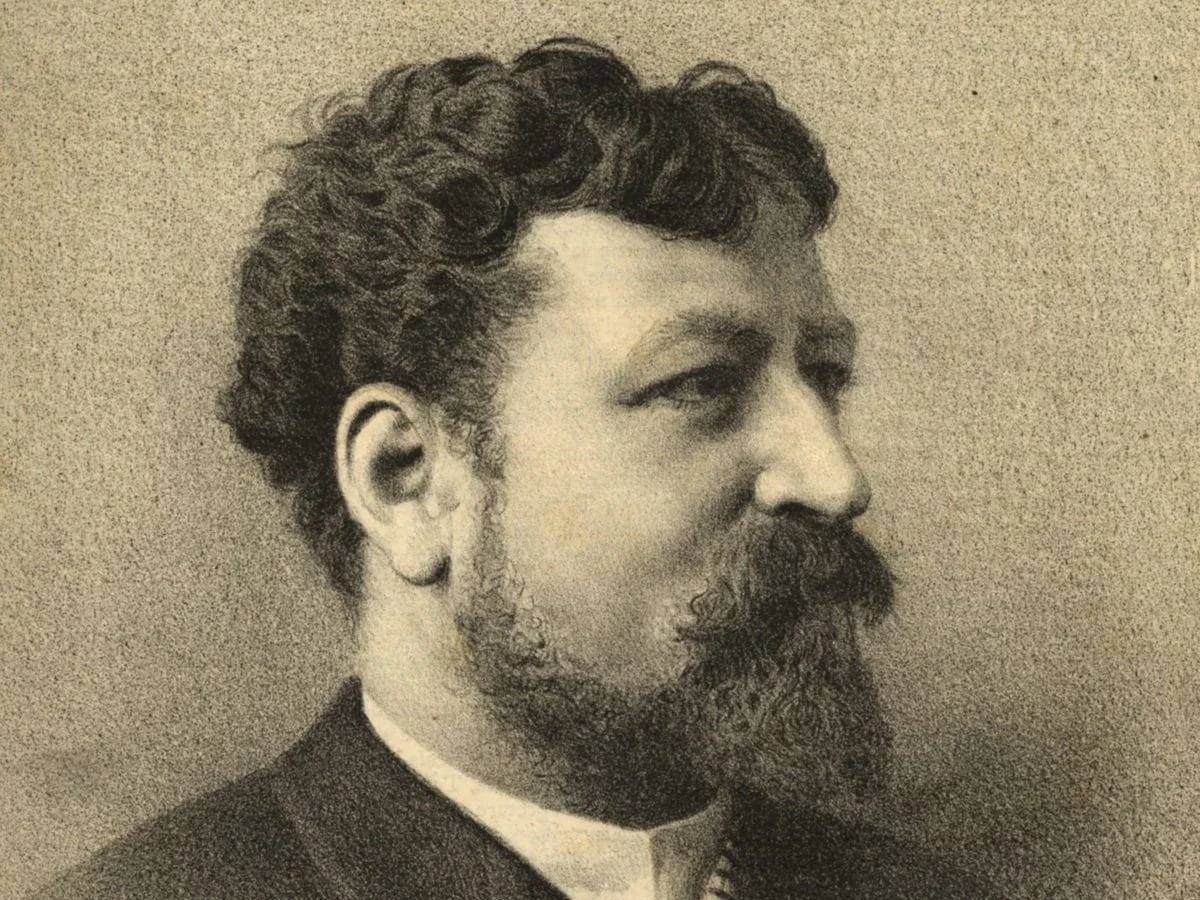
The earliest opera the company brought was as old for them as Nixon in China is for us today. Mozart would have been seventy if he had lived to hear it. García had made a specialty of the title role in London and Paris, and waiting for him in New York was none other than the opera’s librettist, Lorenzo da Ponte, still ready at 77 to supervise the production and make a fresh edition of the text, shaping it into a more compact, faster-moving dramma buffo. The poet had an English translation prepared by his son Luigi (Teatro Nuovo will use it for the projected titles), and wrote an important essay for the printed libretto.
Teatro Nuovo is billing the work as Il Don Giovanni, as Da Ponte did in his edition, and following the distillation he made from the Prague and Vienna versions of the score. The production will also explore every trace of performing style that can be found from the time of the opera’s premiere to the time of its arrival in America–a massive amount of information, since this is one of the best-documented of all operas.
Don Giovanni as a bel canto opera? Yes, according to Crutchfield: “Mozart was working in an Italian tradition that had no sharp dividing lines in the 17 years separating his early death from Rossini’s first opera. They should have been working side by side. And what we see in documents of performing style in the 1780s looks exactly like an early draft of Rossini’s vocal writing.”
Teatro Nuovo’s preparation process is designed to bring this to the fore: “we are setting ourselves the challenge of looking at every surviving tempo marking, ornament, cadenza, cut, vocal adjustment, or instrumental instruction, and postponing the question ‘do we like this?’ until we have answered the question ‘can we understand this?’ If we’re seeing something, however surprising, that a professional interpreter of Mozart’s time thought was a good idea, we need to know why and how. The opera is an unfathomable masterpiece, and there is no one right way to approach it. For this production, we are taking our cues from what we know of García, emphasizing its brilliant and virtuosic aspects, and from Da Ponte’s streamlined text. We expect it will bring surprises–and delight.”
Il Turco in Italia: Belated Justice
For Il Turco in Italia, on the other hand, Teatro Nuovo will not follow the García company’s production, but instead try to imagine what they must have hoped to present. The story behind this difference of approach: The troupe’s superstar, García’s daughter Maria, suddenly defected from the group in an impulsive marriage to the French merchant Eugène Malibran, whose name she would soon make famous throughout Europe. The others had to patch together a hasty edition of Il Turco without its intended prima donna. Bits from La Cenerentola were stitched in, all of the heroine’s arias were omitted by the emergency substitute, and the show ran for a meager four nights.
This opera too has a Da Ponte connection. Rossini and his librettist, the great Felice Romani, were purposely imitating Così Fan Tutte, which had one of its rare Italian outings earlier in the same La Scala season for which they wrote Il Turco. In Così fan tutte, Da Ponte invented a highly original character, Don Alfonso, who designs the rest of the story by making a wager to prove a point–that any woman will be unfaithful given the right temptations. Romani varies the scheme: his Alfonso-equivalent, the Poet, is just looking for a good story, and his heroine is already spectacularly unfaithful, having both a husband and a lover in tow when she decides to flirt with the visiting Turk. At the same time he takes the Alfonso model a step farther: the Poet speaks directly to the audience about the opera buffa he has to write, and meanwhile intervenes with the characters who turn up to see if he can get a good comedy out of them. It’s faintly surreal, and it’s never clear who is really in control–which perfectly suits Rossini’s delight in madcap situations and his genius for turning human ridiculousness into musical sparkle.
The Great Garcías
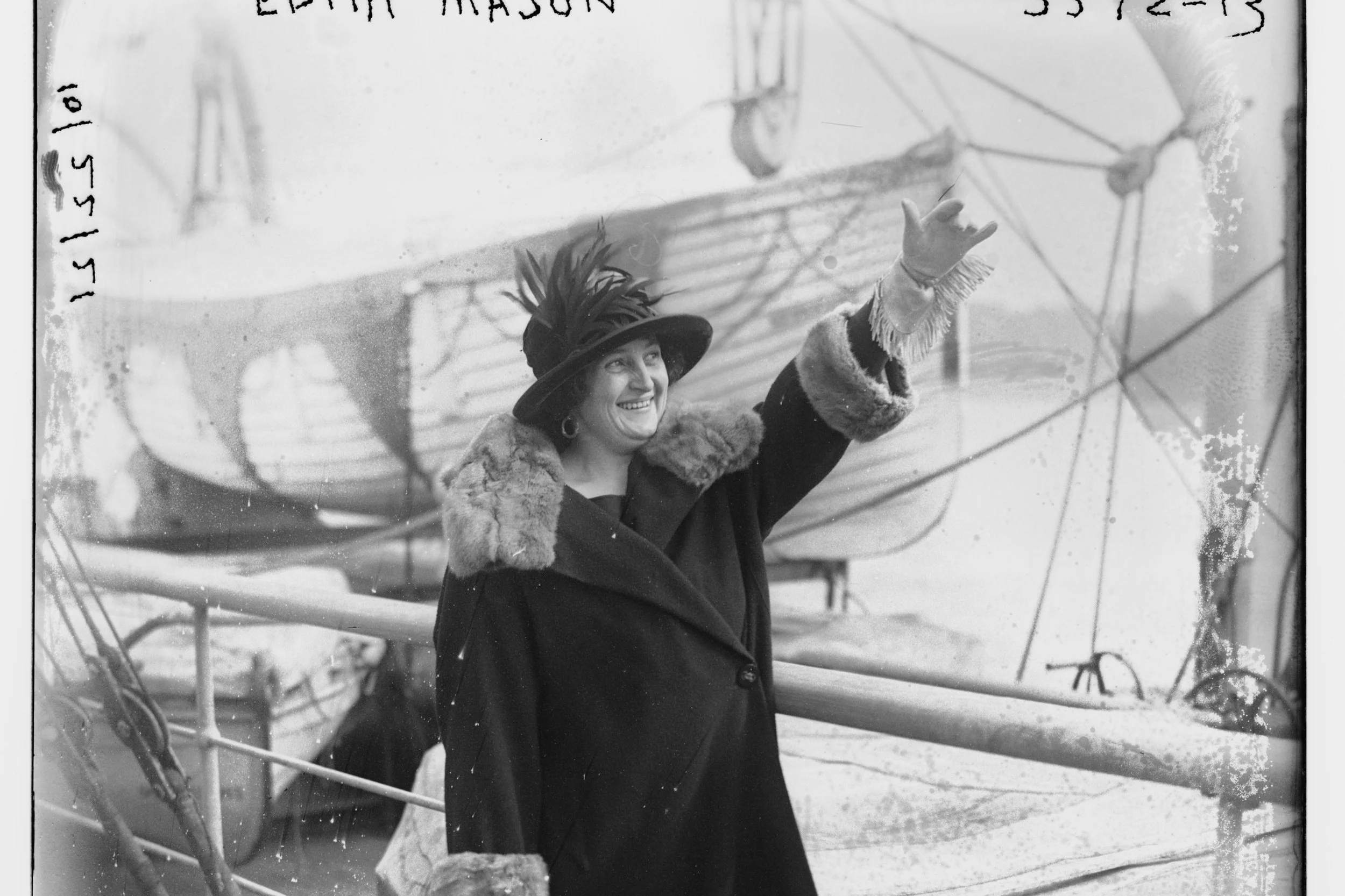
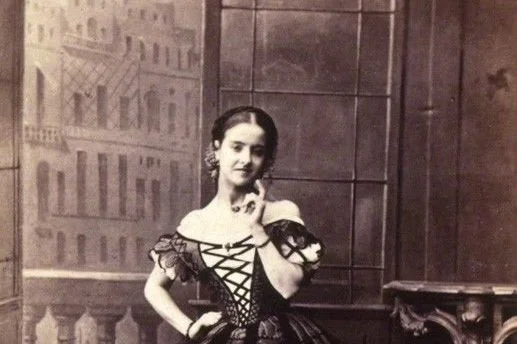
Teatro Nuovo’s highly-anticipated pre-opera events will focus this year on the family that made up the core company: Manuel Sr., the original Almaviva in Il Barbiere di Siviglia; Manuel Jr., later to become one of the century’s most important operatic teachers and authors, who sang Leporello and the Poet among his multiple roles; Maria, soon to be the world’s most celebrated prima donna under her married name, who played Zerlina; and Joaquina, their mother, who sang Donna Elvira. Along for the ride was little Paulina, who later became equally famous as Pauline Viardot and left spellbinding memoirs of the adventure as experienced by a precocious 4-year-old.
Three in this astonishing family were also accomplished composers. TN’s programs will feature music by Manuel Sr., Maria, and Paulina, interwoven with news accounts, letters, and recollections by Manuel Jr., Paulina, and Lorenzo da Ponte. These events, starting 90 minutes before the beginning of each opera performance, feature TN’s Resident Artists as soloists, and are free to ticket-holders.
New artistic and administrative appointments
Teatro Nuovo also announced some additions to its team. Jakob Lehmann, the company’s frequent violinist-director since 2018, will transition to the role of Artistic Advisor, having laid down the violin to concentrate on his fast-growing conducting career. Stepping into his role as Associate Artistic Director will be two longtime participants, chorus master Derrick Goff and violinist-director Elisa Citterio.
Meanwhile, orchestra member Nathanael Udell takes over as Director of Orchestral Operations, and two more team members take on newly created positions: Timothy Cheung becomes Director of the Resident Artist Program, overseeing the annual training program for singers, and principal cellist Hilary Metzger becomes Director of Research, in which role she will coordinate the presentation of historical work already being done by various members of the company.
Continuing in their previous roles are General and Artistic Director Will Crutchfield, Director of Language Studies Lucy Tucker Yates, and Director of Communications Sharon Cheng. Biographies of all the above can be found at https://www.teatronuovo.org/leadership.
Listing Information 2026
Wolfgang Amadeus Mozart: Il Don Giovanni
(1826 edition)
July 11, 3:00 pm
Alexander Kasser Theater, Montclair State University
July 15, 7:30 pm
Rose Theater Jazz at Lincoln Center
Cast:
Don Giovanni ……….. Ricardo José Rivera
Donna Anna …………. Elizabeth Novella
Don Ottavio …………. Martin Luther Clark
Il Commendatore …. Daniel Mobbs
Donna Elvira ………… Sedona Libero
Leporello ……………… Kevin Spooner
Zerlina …………………. Simona Genga
Masetto ……………….. Noah Rogers
Teatro Nuovo Chorus and Orchestra
Geoffrey Loff, Maestro al Cembalo e Direttore
Gioachino Rossini: Il Turco in Italia
July 12, 3:00 pm
Alexander Kasser Theater, Montclair State University
July 16, 7:30 pm
Rose Theater Jazz at Lincoln Center
Cast:
Selim ………………. Vincent Graña
Donna Fiorilla …. Kresley Figueroa
Don Geronio ……. Mattia Venni
Don Narciso …….. Max Alexander Cook
Prosdocimo ……… Hans Tashjian
Zaida …..…………… Sabatina Mauro
Albazar ……………. David Freides
Teatro Nuovo Chorus and Orchestra
Elisa Citterio, Primo Violino e Capo d’Orchestra
Derrick Goff, Maestro al Cembalo
Relevant Links
About Teatro Nuovo
Teatro Nuovo was founded in 2018 with the mission of exploring new paths in the interpretation of classic Italian opera. It now fills a unique role on the operatic scene: first, by taking the insights of the “Early Music” movement forward into the operas of the Romantic era; second, by offering intensive vocal training not available elsewhere. The main vehicles for these efforts are a fifty-member orchestra of period instruments recruited from around the world, an annual six-week immersive training program for career-bound young singers, a festival of summer performances in New York and New Jersey, and the modern world’s most thoroughgoing restoration of 19th-century performance practices.
Audiences and critics alike immediately embraced the importance of this initiative. Some of our favorite press quotes testify to the innovations we have proposed:
The effect is transformative - Wall Street Journal
Teatro Nuovo’s approach is revolutionary; the results are stupendous - Opera News
The most consistently satisfying live opera in New York - Opera Today
This is the way it should be done - Financial Times
Revelatory…the orchestra seemed to beat with a single heart - The Observer
Fresh, lively performance, full of ideas and rich in subtleties - The New York Times
The throng that turned out for Teatro Nuovo showed that audiences are ready to be
led into new realms….the performance was an outright triumph - The New Yorker
Thirteen operas have been presented to date, alongside numerous concerts. The capstone project thus far, in 2024, was the rediscovery and reconstruction of Anna di Resburgo, an opera by Carolina Uccelli unheard since its 1835 premiere, which the New York Times listed as one of the year’s Twenty Best Classical Performances worldwide. Teatro Nuovo’s contributions have also been recognized by significant grants from the National Endowment for the Arts, the New York State Council on the Arts, and the New York City Department of Cultural Affairs.
Visit TeatroNuovo.org for details.